The Long Approach — pre-departure messaging Request the free audit
For cultural travel operators and institutional programmes

The trip begins the day they book.

Not the day they land. Somewhere between the deposit and the departure there are fourteen months of silence, and that silence is where your cancellations, your forgotten excitement and your missing referrals all live.

I fill it — in your voice, on their phone, as part of the trip.

No retainer discussed until the audit is in your hands.

Ancient Iberia Walks
Verified sender
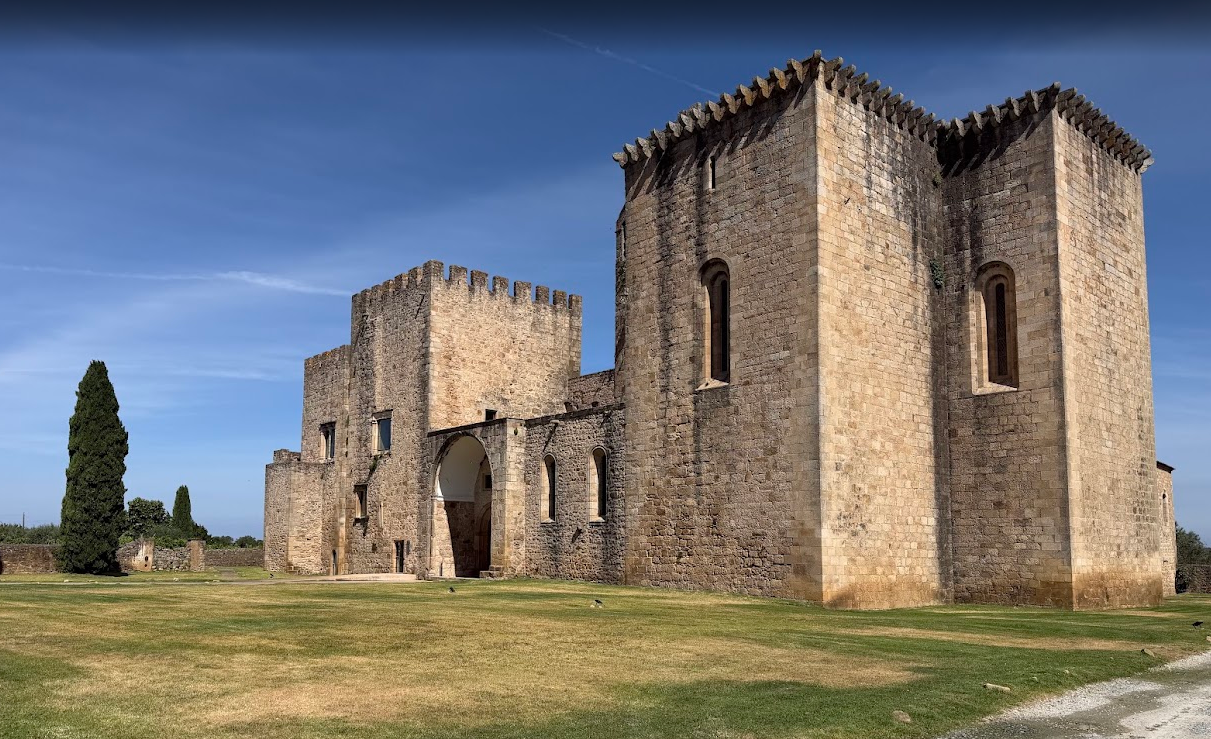
Nine months out. Nothing for you to do yet — but this is what you booked. The Almendres Cromlech was already two thousand years old when the first stone went up at Stonehenge. Ninety-five granite ovals, standing in a cork forest, facing the equinox sunrise. You'll walk it on the second morning, before the heat. See the site Add to calendar

RCS · delivered · 09:12

The problem

Fourteen months of nothing.

Cultural and heritage travel has the longest consideration cycle in the industry and almost no messaging built for it. Every retention system on the market is designed for a thirty-day repurchase of moisturiser. Here is what your year actually looks like.

Most operators
The long approach
Deposit paidM−9M−6M−3DepartureHome
Booking confirmation, an invoice, a kit list two weeks out A dispatch they look forward to
The product

An arc, not a campaign.

Below is a real sequence for a seven-day Alentejo walking tour, written the way I'd write yours. Nothing here is a promotion. Every message is either something they want to know or something they need to do — which is exactly why it gets read fourteen months before anyone owes you a balance.

M−14

Your place is held

Confirmation, but written by a person. Sets the expectation that they'll hear from you, and how often — which is also where consent is captured properly.

M−9

Where you're going

One place, one fact, one photograph. No itinerary dump.

The Almendres Cromlech was already two thousand years old when the first stone went up at Stonehenge.

M−6

One book, not twelve

A reading list of twelve titles gets read by nobody. A single recommendation with a reason gets bought.

M−4

Three phrases

None of them "where is the bathroom." The ones that make a shopkeeper in Évora smile.

M−2

The uncomfortable one

The Capela dos Ossos and the line above its door. Heritage travellers came for exactly this; most operators are too nervous to send it.

Nós ossos que aqui estamos, pelos vossos esperamos. We bones that are here, await yours.

M−1

Boots, heat, distance

Honest practicalities. This is the message that prevents the phone call on day two.

W−2

Who else is coming

A small-group tour is a group. Introducing it before arrival raises satisfaction more than anything else you can do for free.

D−0

The bus leaves at 8:10

On the ground, in their pocket, no app to download. Day-of logistics is the message that makes the channel indispensable rather than promotional.

D+3

Photographs, and one question

The images from the group, then: who did you almost bring? That is your referral engine, and it only works within about ten days of coming home.

D+90

Andalusia opens Tuesday

Past travellers are the highest-value list you own and the one most operators never segment. They booked once. They will book again — but only if you're still talking.

The channel

Why it's a text, and why that's new.

01

It carries your name and your logo

RCS gives you a verified sender profile. For a nine-thousand-euro trip from a company they found last month, that badge does more for conversion than any subject line.

02

It carries pictures and buttons

A carousel of the ridge they'll walk, and a button that adds it to a calendar. SMS gave you a hundred and sixty characters. This is a different medium wearing the same icon.

03

It works on both phones now

Since Apple adopted RCS it reaches the large majority of smartphones in the US and Western Europe. Two years ago this was an Android experiment. It isn't any more.

04

Email still does the long reading

It doesn't replace your newsletter. Long-form history belongs in an inbox. Timing, logistics and anticipation belong on a lock screen. The arc uses both.

The part nobody wants to own

You are probably already texting your travellers.

Day-of logistics — the bus, the meeting point, the delay — is transactional, and permitted. The moment "and here's next spring's departure" appears in that same thread, it legally becomes marketing, and it needs a different kind of documented consent.

The exposure is per message

Under the US TCPA, statutory damages run $500 a message, $1,500 if willful, per recipient, with no cap on the class. A single careless send to a past-traveller list is not a slap on the wrist.

Your email may not be arriving

Gmail, Yahoo and Microsoft moved from filtering to outright rejection. If your authentication records aren't aligned, mail is being refused at the door rather than landing in spam — and nothing in your dashboard tells you.

Consent is not a checkbox you copy

Disclosure language, quiet hours in the traveller's own time zone, carrier registration, and a documented opt-out trail. Different again if your travellers are in the EU.

So I hold it

Compliance custody is written into every engagement and re-audited quarterly, because the rules keep moving. This is the part of the job I came from.

Fit

Two kinds of client, one problem.

The gap between a deposit and a departure is the same whether the trip is sold by a six-person company or run by a university's alumni office. What differs is who currently owns the silence.

Made for

  • Groups of six to twenty-four
  • Archaeology, art, architecture and gardens, literary, battlefield, pilgrimage, music, and culinary-historical itineraries
  • Alumni, museum, and membership travel programmes
  • Booking windows of six months or longer
  • A specialist guide, curator or scholar as the draw
  • Anyone whose travellers expect to arrive already knowing something
  • Portuguese and Spanish programmes — I work in both languages

Not for

  • Coach tours and cruise excursions
  • Anyone who wants discount codes and flash sales
  • Aggregators and OTAs
  • Bookings made inside thirty days
  • Companies looking for a cheaper freelancer to send the same newsletter
Institutional programmes

If you run travel for an alumni body, a museum or a society.

You have the longest booking windows in the industry and the most literate travellers in it. You also have something most operators don't: a duty of care to a membership that judges the whole institution by how the trip felt.

01

The silence is longer for you

Alumni and member departures are often sold twelve to eighteen months out, sometimes further. Between the deposit and the welcome reception there is usually a confirmation, an invoice and a kit list. That is not a relationship — and your members notice, because they expect one.

02

The content already exists

Your curators, faculty and study leaders have written more than I ever could. It sits in lecture notes, catalogue essays and course material. I turn it into a sequence that arrives at the right moment, rather than a PDF nobody opens.

03

Consent is a governance problem

Member data carries obligations your operator partner does not share, and often more than one legal basis across jurisdictions. Documented consent, a clean opt-out trail and quarterly review are written into the engagement — because the exposure lands on the institution, not the tour company.

Start here

A free deliverability and consent audit.

Most of what I check is already public — your sending records are readable from the open internet. I run them, read your sign-up language against current US and EU consent rules, and send back one page telling you what's exposed and what's simply not arriving.

No call required to receive it. If you want to talk afterwards, I'm glad to. If you'd rather take the page to whoever runs your mail, that's a fine outcome too.

Request the audit

What I look at
  • SPF, DKIM and DMARC alignment
  • DMARC enforcement level
  • One-click unsubscribe headers
  • Spam complaint rate
  • List hygiene and re-engagement
  • SMS opt-in disclosure wording
  • Carrier registration status
  • Quiet hours by traveller time zone
  • Transactional and marketing separation
  • EU traveller consent basis
Who runs this

Someone who reads the footnotes.

I spent my career in human resources, most of it as a designated employer representative — the person who personally owns a regulated compliance programme when an auditor arrives. That is an unusual background for messaging work, and it is exactly the point. Everything on this page is either a piece of writing or a piece of risk, and I've spent a decade holding the second one.

The first half is the reason I do this at all. I hold dual US and European citizenship, I read European history for pleasure rather than for work, and I've spent years chasing the difference between a place described and a place stood in. Anticipation is most of what a heritage trip is. Building fourteen months of it, properly, is not a marketing task — it's part of the product.

I take a small number of clients at a time, because these arcs are written, not templated.